How To See Sloths in Costa Rica (Without Harming Them)


Many people say they love wildlife. They wear it on shirts, share videos online, and get excited for close encounters while traveling, but love is not proven by proximity.
With wild animals, love often looks quiet. It looks like patience, respect, and boundaries. It looks like choosing the animal’s well-being over your own temporary experience.
If someone knows handling causes stress or harm and still prioritizes their own moment, they are centering themselves more than the animal.
That may be uncomfortable to hear, but it is worth reflecting on. There is a real psychological distinction between loving an animal, and loving the feeling an animal gives you.
A lot of people sincerely believe they love sloths because they feel warmth, happiness, or excitement when they see one. Those emotions are genuine, but the source of that emotion is often mixed.
Part of it is the animal itself. Part of it is the personal experience... the photo, the story, the closeness, the status, or the dopamine hit of saying, I held a sloth. That does not necessarily mean people are malicious or fake, it means they have probably never looked at or thought much about the difference between affection-centred love and care-centred love, but it makes ALL the difference.
Affection-centred love says: This makes me feel amazing.
Care-centered love asks: What is best for the animal, even if it means I do not get what I want?
That difference matters. When we are offering care-centred love, it often requires restraint and will power. We might have to be observing from a distance. It means not touching, feeding, or forcing interactions. It means sometimes we accept disappointment when the ethical choice is to simply let the animal be wild and not touch it.

Why People Get This Wrong
Modern tourism and social media often make us believe experiences equal connection.
Touch it. Hold it. Pose with it. Post it.
We are told that if we got close, then it was meaningful, but with wildlife, connection often looks very different. It looks like respecting boundaries, keeping distance, and appreciating the moment without needing to control it. A photo can look magical while hiding the stress behind it.
Why Touching a Sloth Matters
Sloths are wild animals with specific needs, routines, and stress responses.
Handling wildlife can disrupt natural behaviour, create stress, and create ongoing demand for unethical encounters. Every tourist who pays for that moment helps keep the cycle going.
If you truly love sloths watch them in the wild. Support ethical sanctuaries. Learn about habitat protection. Choose observation over interaction. Teach others why it matters.

How Do They “Find” Their Sloths? (This Matters More Than You Think)
One of the most important questions you can ask any tour or facility is how they find their sloths, or where those sloths come from because not all wildlife encounters start ethically.
In many parts of the world, wild animals are still taken from their natural habitat to be used for tourism, sometimes as babies, often after their mothers are killed or separated from them. Sloths, monkeys, and other wildlife are then handled, restrained, or conditioned so people can get close photos.
That’s why those “once-in-a-lifetime” pictures, holding a sloth or standing next to a monkey on a chain, come at a cost most people never see. Sloths are extremely sensitive animals - being touched, moved, or forced into human interaction causes long-term stress and impacts their survival. Ethical guides never remove animals from the wild, never restrain them, and never create encounters that rely on human control.
If a sloth is part of the experience instead of simply part of the environment, that’s your sign to walk away.

Where You’ll Actually See Sloths in Costa Rica
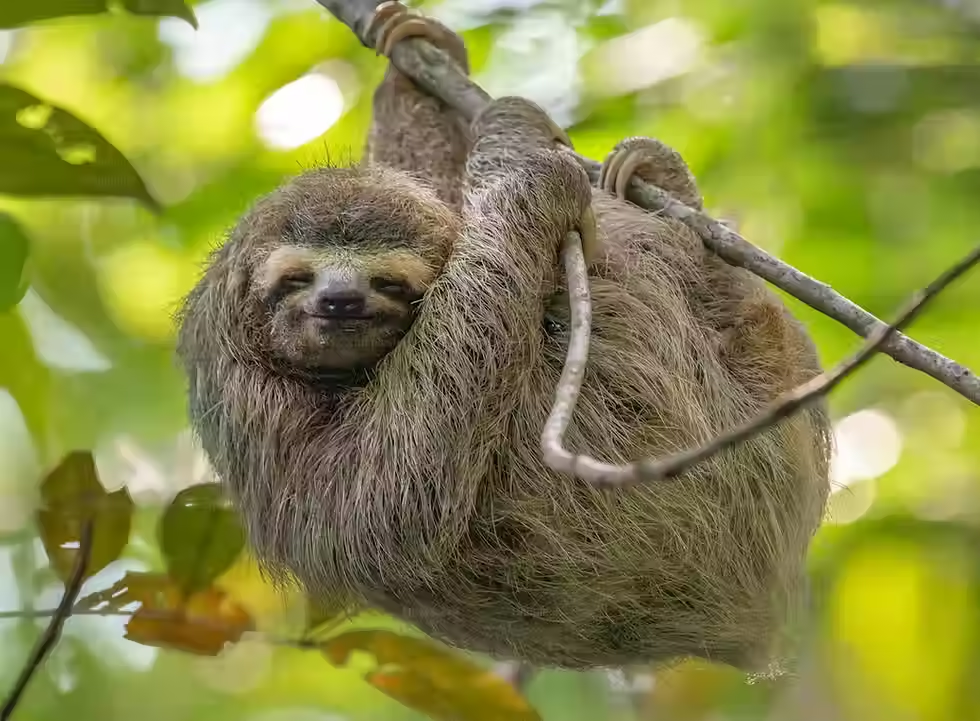
One of the biggest myths about seeing sloths in Costa Rica is that you need to go looking for them. You don’t...you need to slow down. I’ve seen more sloths in the wild by simply paying attention than I ever did on guided tours. They’re not rare, they’re just easy to miss.
I’ve seen sloths while biking along the Caribbean coast, from the car driving between La Fortuna and Puerto Viejo, and even right in town in Dominical crossing the road. I’ve seen them in the trees at Playa Matapalo and Playa Chaman, and once just sitting down for lunch in Manuel Antonio, there was a sloth hanging out in a tree about 10 feet away. No tour, no crowd, no interference, just a wild animal living its life.
That’s the point. Ethical wildlife experiences aren’t about getting closer, touching, or chasing a “perfect” photo. Learn how to notice what’s already around you. Look up. Move slowly. Ask locals where sloths have been seen recently. Keep your distance and let the animal stay completely wild.
If your experience requires the animal to change its behavior for you, you’re doing it wrong.
Choosing an Ethical Sloth Tour (What to Ask Before You Book)
If you do want to go with a guide, the goal isn’t just to see a sloth, it’s to make sure your experience isn’t harming it.
A good tour should feel like quiet observation. Before booking, ask simple questions: Do you ever touch or handle sloths? Do you use let people feed the sloths? The right answers should always be no touching, no interference, and no pressure on the animal to move or “pose.”
Green flags are guides who emphasize education, patience, and respect for the animal’s space, and who are just as happy if a sighting is brief or from far away. Red flags are tours that guarantee close encounters, allow holding or touching, use props, or advertise photos with sloths on people.
If the experience feels staged or too close to be natural, it probably is. The best tours leave you feeling like you witnessed something real, not like the animal was there for you.
Final Thoughts
The real test of love is not whether you want to touch something beautiful and special, it is whether you can choose not to. If we truly love wild animals, we should value their well being more than our photo opportunity and how it makes us feel.
The next time you see a wild animal, ask yourself one honest question:
Do I want what is best for them, or do I want something from them?
That answer says everything.
With Respect,
Shaya
Costa Rica Corner


is there a best time of year to see sloths in the wild there?